
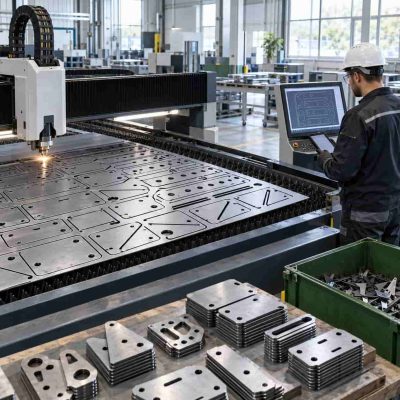
 Steel is used in buildings, bridges, industrial facilities, infrastructure, machinery, and countless manufactured products. Its strength, durability, and recyclability make it a valuable construction material, but producing and transporting steel still require energy and raw materials. Improving how steel is designed and fabricated can therefore reduce a project’s environmental impact.
Custom steel fabrication Sydney involves cutting, bending, welding, drilling, and finishing steel components according to specific project requirements. When components are manufactured to accurate dimensions and performance specifications, project teams can avoid unnecessary material, reduce waste, and improve construction efficiency.
Fabrication accuracy alone does not make a project sustainable. However, it can support broader environmental goals when combined with efficient engineering, responsible sourcing, durable design, and end-of-life recovery planning.
Reducing Material Waste
One of the clearest environmental benefits of exact fabrication is the potential to reduce offcuts and unused steel. When fabricators receive detailed, accurate drawings, they can plan how to cut individual components from standard sheets, plates, bars, or sections. Digital nesting software can arrange parts to use the available material more efficiently. Smaller pieces can also be used for brackets, connection plates, or other components instead of being discarded.
Steel offcuts are generally recyclable, but recycling still requires collection, transportation, sorting, and remelting. Preventing waste before it is created usually avoids more energy and processing than recycling the same material afterward. Accurate quantity calculations also help procurement teams order closer to the amount actually required. This can reduce leftover materials that must be stored, transported to another project, sold as scrap, or recycled.
Avoiding Unnecessary Steel
Custom fabrication allows structural and architectural components to be designed around their actual loads and functions. Instead of using oversized sections simply because they are readily available, engineers and fabricators can work together to select suitable grades, thicknesses, and profiles.
This process may reduce the total steel weight required without compromising safety or performance. Even a modest reduction across a large building, warehouse, bridge, or industrial facility can result in meaningful material savings.
Optimization must always be based on qualified engineering. Using less steel without considering strength, stability, fire performance, fatigue, corrosion, and applicable codes can create serious risks. The environmental goal is not to minimize material at any cost but to use the correct amount for the intended purpose.
Limiting Rework and Replacement
Fabrication errors can create waste throughout a project. A beam cut to the wrong length, a connection plate drilled incorrectly, or a frame assembled outside the permitted tolerance may need modification or replacement.
Corrective work consumes additional electricity, welding materials, fuel, labor, and protective coatings. It can also generate scrap and delay other construction activities. If a component must be returned to the fabrication facility, the project incurs additional transportation impacts.
Producing steel to exact specifications reduces the likelihood of these problems. Digital models, automated machinery, detailed shop drawings, and quality-control inspections can help identify inconsistencies before components leave the workshop. When parts arrive ready for installation, site teams are less likely to rely on unplanned cutting, grinding, welding, or drilling.
Improving Construction Efficiency
Precisely fabricated steel components can make installation faster and more predictable. Clearly labeled parts can be delivered in the order they are needed and assembled using prepared connections.
Efficient installation may reduce the operating time of cranes, generators, lifts, welding equipment, and other machinery. It can also shorten the period during which temporary facilities, lighting, site offices, and security systems are required.
These benefits depend on coordination. Accurate fabrication will not improve efficiency if the site is unprepared, drawings conflict, or delivery sequences do not match the construction schedule. Architects, engineers, contractors, and fabricators need to share current information throughout the project.
Building information modeling can support this process by allowing teams to detect clashes and
coordinate structural components with mechanical systems, façades, and architectural features before manufacturing begins.
Reducing Transportation Impacts
The weight, dimensions, and delivery sequence of steel components affect transportation requirements. Custom fabrication can help teams plan loads more efficiently and avoid shipping unnecessary material to the construction site.
Components may be grouped according to installation stage, reducing the need to move or store them repeatedly. In some cases, prefabricated assemblies can reduce the number of separate items delivered and handled on-site.
Designers must consider transportation efficiency. Very large prefabricated elements may require special vehicles, permits, escort services, or longer routes. The most sustainable solution is not always the largest possible assembly. Designers and fabricators should balance workshop efficiency with practical shipping and lifting requirements.
Supporting Durable Construction
Precise fabrication improves how steel components fit and function within a completed structure. Properly aligned connections, appropriate tolerances, and correctly applied finishes support long-term performance.
Durability adds environmental value because longer-lasting components require fewer repairs and replacements. A well-fabricated steel frame, stairway, platform, or façade system can remain in service for decades when designed for the surrounding conditions and maintained properly.
Protective treatments should match the exposure environment. Galvanizing, paint systems, powder coatings, or corrosion-resistant steel grades may be appropriate depending on moisture, chemicals, pollution, and coastal conditions.
Applying the right treatment from the start can reduce premature corrosion and future consumption of replacement steel and maintenance products.
Making Adaptation and Disassembly Easier
Accurately fabricated steel can support adaptable construction. Bolted frames and modular components may be easier to modify, extend, relocate, or disassemble than systems that rely heavily on permanent site connections.
If a building’s needs change, reusable components can reduce the demand for completely new materials. At the end of a structure’s service life, clearly identified steel sections may be removed for reuse or sent to recycling facilities.
Designing for disassembly requires early planning. Connection types, component dimensions, access points, coatings, and documentation all influence whether materials can be recovered efficiently in the future.
Improving Environmental Accountability
Exact specifications make it easier to track the type, grade, weight, finish, and source of the steel used in a project. This information can support material inventories, carbon assessments, sustainability certifications, and future reuse decisions.
Businesses can also request environmental product declarations and information about recycled content, manufacturing methods, and energy sources from suppliers. These details allow project teams to compare options using more than purchase price alone.
Using Steel More Responsibly
Fabricating steel to exact specifications can reduce waste, prevent rework, improve installation, support durability, and make future material recovery more practical. These benefits help lower unnecessary resource consumption across the project’s life cycle.
The greatest environmental gains occur when precise fabrication is connected to efficient design, low-impact production, responsible procurement, proper maintenance, and plans for reuse or recycling. With this coordinated approach, custom fabrication lets businesses achieve the performance they need while using steel more carefully and efficiently.